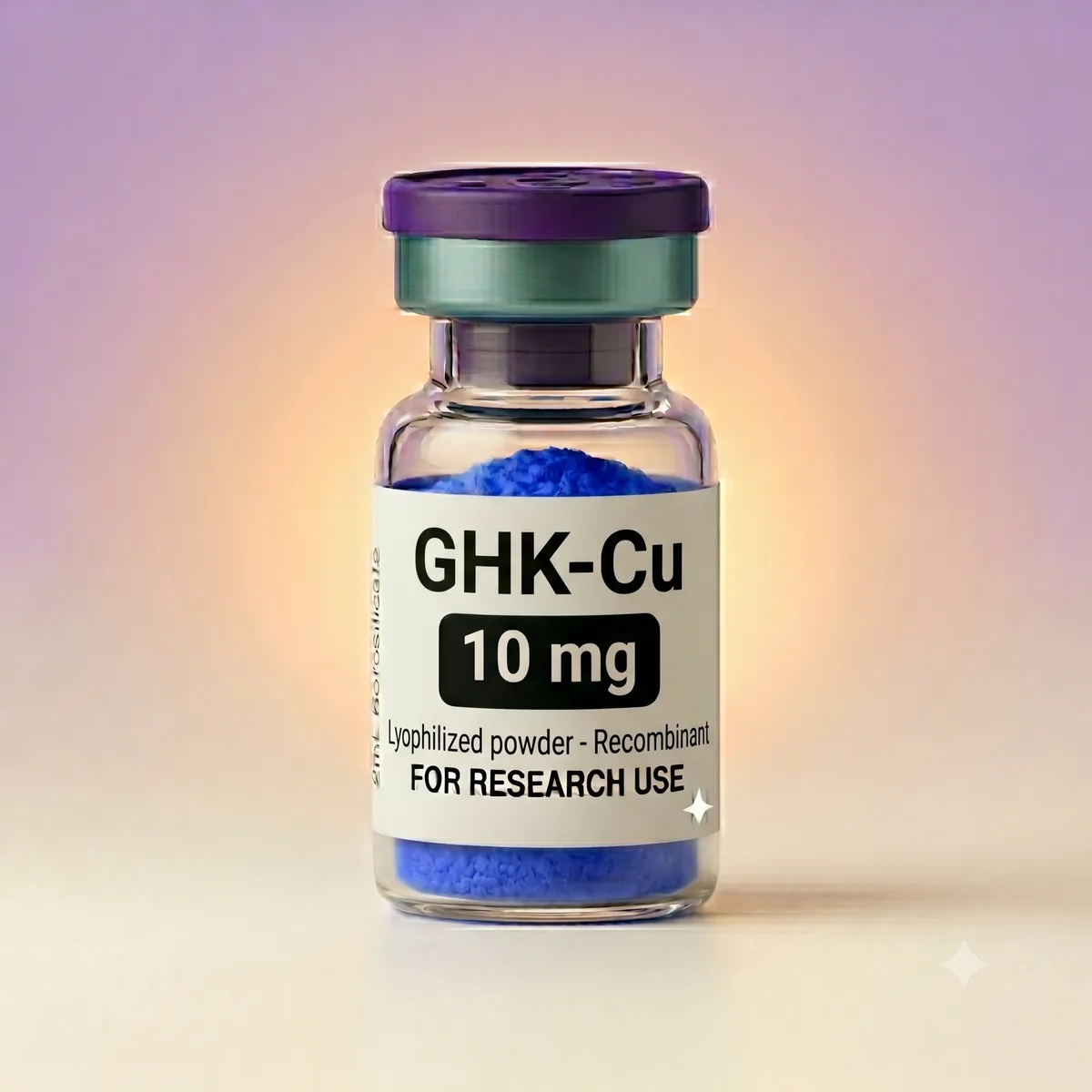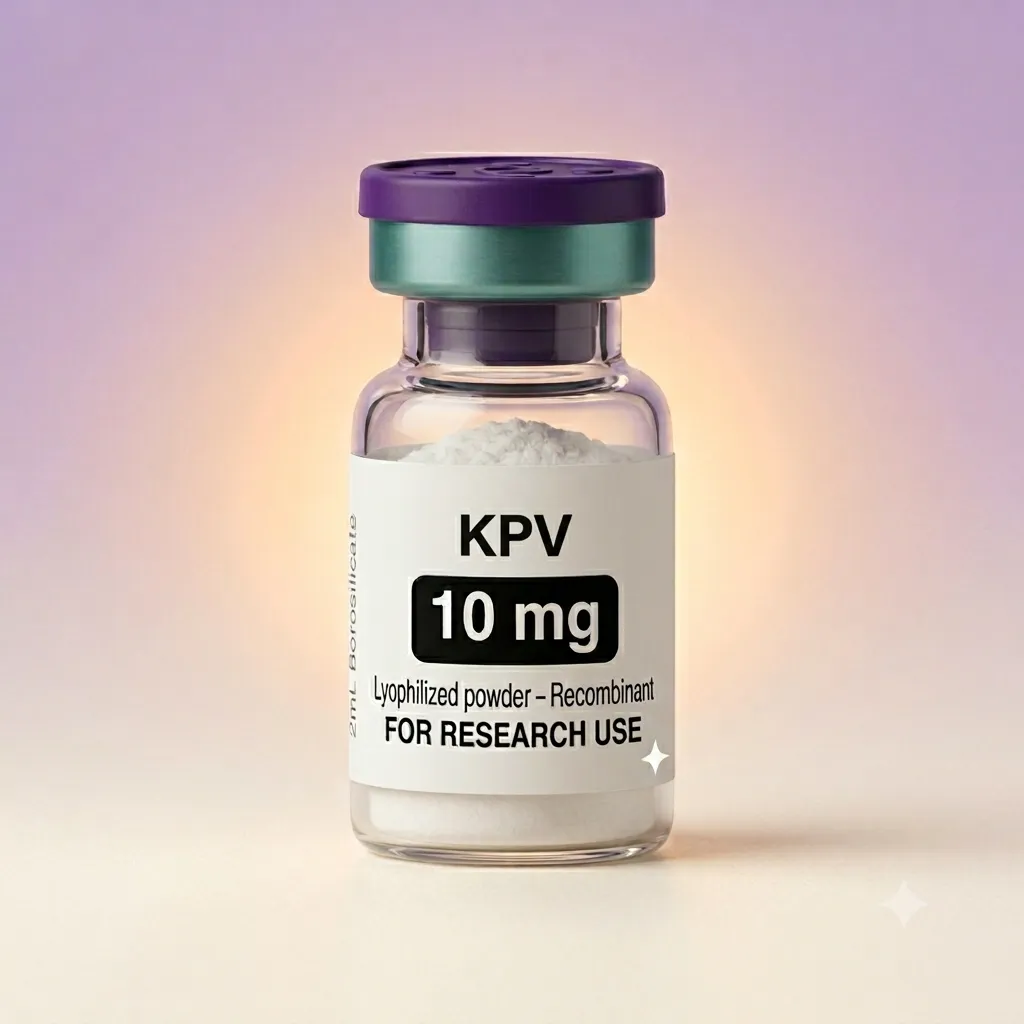
Research grade, or Research Use Only, describes material intended for scientific and laboratory experimentation, not human use. The difference from a medicine lies not in the molecule but in the set of regulatory guarantees that accompany an approved product and that this material lacks.
What does research grade mean?
The research-grade designation, expressed as Research Use Only and abbreviated RUO, identifies material produced and distributed for scientific and laboratory experimentation, with no intended human administration.
A frequent misunderstanding deserves clarifying. The designation does not describe a chemical property of the molecule. A research-grade peptide can have the same sequence and analytical purity equivalent to a pharmaceutical product. What changes is the set of guarantees, controls and responsibilities surrounding the product.
How does it differ from an approved medicine?
A registered medicine has passed an assessment process verifying several elements systematically. A research-grade product does not go through that process.
| Element | Registered medicine | Research-grade material |
|---|---|---|
| Efficacy | Assessed in clinical trials reviewed by the health authority. | Not assessed by any authority for human use. |
| Safety | Profile characterised and monitored post-marketing. | No regulatory assessment or pharmacovigilance. |
| Manufacturing | Audited good manufacturing practice. | Variable standard depending on manufacturer. |
| Batch consistency | Required and verified by the authority. | Depends on the control the distributor applies. |
| Product information | Authorised data sheet with posology and interactions. | No approved data sheet. |
| Legal responsible party | Registration holder, identifiable and subject to obligations. | No registration holder for human use. |
The relevant difference is not material purity, but the existence of a system of guarantees behind it.
What does the absence of INVIMA registration imply?
Research-grade peptides sold in Colombia hold no INVIMA registration as medicines. They are not authorised for medical, diagnostic, curative or preventive use for any disease.
This has a practical consequence for how any commercial communication should be read. A supplier attributing therapeutic effects to a research-grade product, or suggesting it holds some form of health approval for human use, is describing the product incorrectly. Clarity on this point is one of the simplest criteria for assessing a supplier's seriousness.
Which responsibilities does it transfer to the buyer?
With an approved medicine, much of the verification burden is carried by the regulatory system: someone checked manufacturing quality, batch consistency and the safety profile before the product reached the market.
With research-grade material that backing does not exist. Quality verification, risk assessment and the decision on use fall on whoever acquires the material. Batch documentation therefore stops being an administrative detail and becomes the central element of assessment.
- ✓Traceability: the certificate of analysis must correspond to the delivered batch.
- ✓Verified identity: purity without mass spectrometry does not establish which compound it is.
- ✓Documented storage: transport and storage conditions affect material integrity.
- ✓Professional supervision: any consideration of use requires the judgement of a qualified healthcare professional.
Which signs indicate a supplier misdescribes the framework?
Frequent incorrect descriptions
- Attributing therapeutic indications or disease-treating capacity to the product.
- Suggesting health approval for human use exists when it does not.
- Presenting the research-grade designation as a technicality without consequences.
- Omitting the regulatory framework entirely from product communication.
- Offering personalised dosing guidance without a healthcare professional involved.
A supplier that declares the framework explicitly is not weakening its offering. It is describing precisely what it sells, which is the minimum condition for any quality information it publishes to be credible.
Note on the regulatory framework
Regulation applicable to importing and marketing compounds intended for research varies with the nature and classification of the product, and its interpretation is a matter for specialised legal advice. This article describes the practical difference between research material and an approved medicine, and does not constitute legal advice.
What can be stated without ambiguity is the central fact: these compounds hold no INVIMA registration as medicines and are not intended for human use.
References
- Manning MC, Chou DK, Murphy BM, et al. Stability of protein pharmaceuticals: an update. Pharm Res. 2010;27(4):544-575. DOI: 10.1007/s11095-009-0045-6.
- Mant CT, Chen Y, Yan Z, et al. HPLC analysis and purification of peptides. Methods Mol Biol. 2007;386:3-55. PMID: 18604941.